

A major data exposure involving Fiverr has raised serious concerns across the cybersecurity community. Sensitive user documents were found publicly accessible through Google search results.

The incident was not a traditional hack. Instead, it was caused by a configuration issue that made private files visible to anyone online.
This type of incident is becoming more common and highlights growing risks in modern digital platforms. The latest AI cyber security news exposed many of such leaks. But this is just the tip of the iceberg.
What Kind of Data Was Exposed
The exposed data included highly sensitive personal and business information.
According to researchers, the leak contained:
- Tax forms
- Driver’s licenses
- Contracts and invoices
- API keys and credentials
- Personal addresses
Many of these documents were linked directly to individuals and companies. This creates serious risks such as identity theft and fraud.
Some files were reportedly available for weeks before being widely noticed.
How the Leak Happened
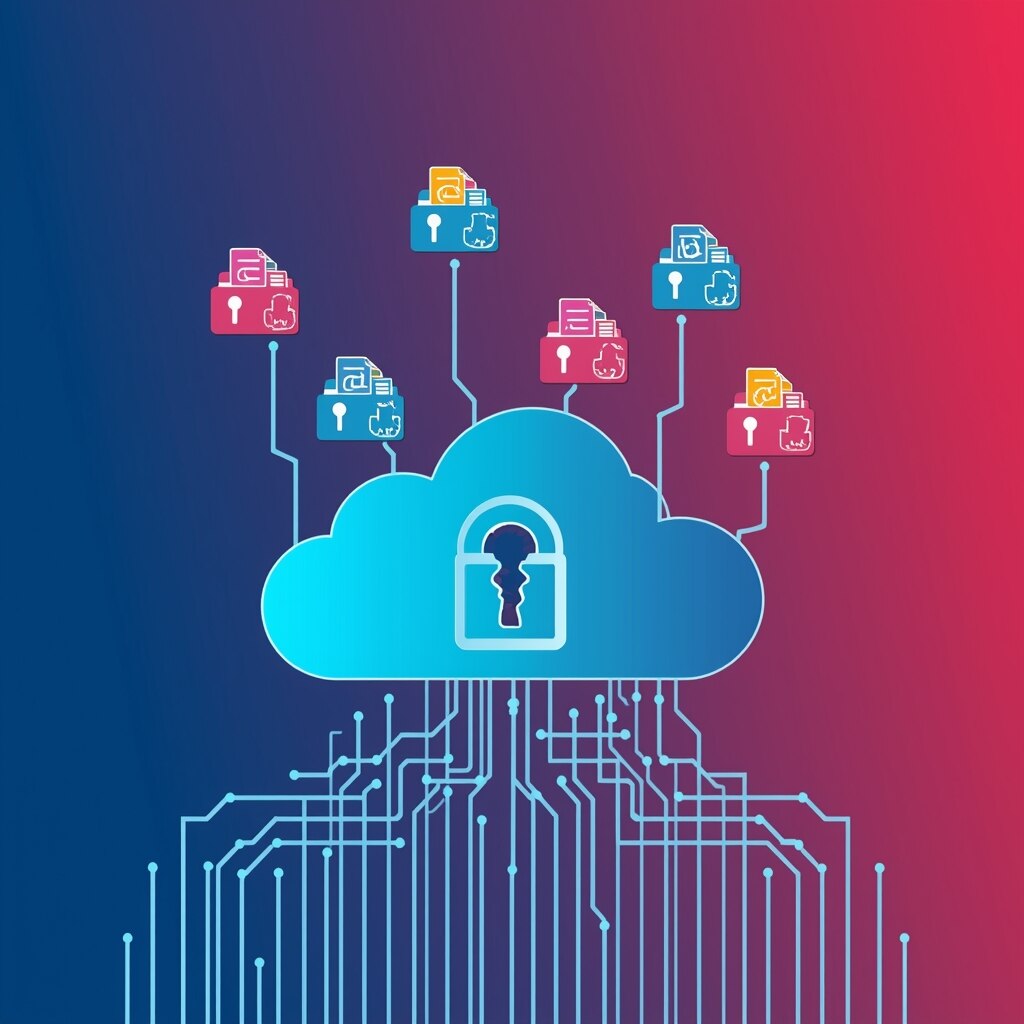
The root cause of the incident was a misconfiguration in a cloud storage system.
Fiverr uses a third-party service to store and manage files. Instead of securing access properly, files were stored using public URLs.
These URLs:
- did not require authentication
- did not expire
- could be indexed by search engines
As a result, Google crawled and indexed the files. This made them searchable by anyone online.
This is a classic example of how small configuration mistakes can lead to large-scale exposure.
Why This Is Not Just a Technical Issue
Fiverr stated that this was not a cyberattack. The company argued that users uploaded the content voluntarily as part of their work.
However, cybersecurity experts strongly disagree.
Users may agree to share files with a client. But they do not expect those files to become public on the internet.
This highlights a deeper issue.
- Data sharing does not equal public access
This incident reflects a failure in system design and data governance.
The Growing Pattern of Data Exposure
The Fiverr case is not isolated.
We are seeing a growing number of incidents where:
- sensitive data is stored centrally
- access controls are weak or misconfigured
- data becomes publicly accessible
Similar concerns have been raised in cases like:
- Europol Dismantles major data leak
- EU Commission data theft incident
- Alloha Fibra Cyberattack by Gentlemen
These events show a clear trend.
Data is being exposed not only through hacking, but through design flaws and mismanagement. The incidents just getting more and more significant and we are still at the beginning. This calls for my awareness and technological progress for anyone who doesn’t want to be hit with huge implecations and unforseeable consequences.
Why This Matters for AI and Modern Workflows
Today, more data is being shared than ever before.
Platforms like Fiverr rely on constant exchange of files, documents, and information.
At the same time, AI tools are increasing the speed at which users generate and share data.
This creates new risks.
Similar discussions can be seen in areas like AI security risks Anthropic Mythos explained, where data exposure is becoming a core concern.
The more data flows between systems, the higher the risk of leakage.
The Core Problem: Loss of Control
The Fiverr incident highlights a fundamental issue.
- Once data leaves your device, you lose control over it
Even if a platform is trusted, things can go wrong:
- misconfigurations
- third-party risks
- indexing by search engines
Once data is exposed, it is difficult to remove completely.
How Trust-Prompt Helps Prevent Such Incidents
This is where solutions like Trust-Prompt become relevant.
Trust-Prompt is designed to stop sensitive data from being shared in the first place.
Instead of relying on platforms to secure data later, Trust-Prompt works at the source.
It:
- analyzes prompts locally
- detects sensitive information
- blocks or warns users before sending data
This approach reduces the risk of exposure significantly.
Especially in AI workflows, where users often share data without thinking twice.
With Trust Prompt Plus, users gain an additional layer of control and protection when interacting with AI tools.
Final Thoughts
The Fiverr data leak is a clear warning.
Security is not only about preventing hackers. It is about controlling how data is handled from the beginning.
Companies must rethink how they manage data.
Users must become more aware of what they share.
And organizations need tools that prevent risks before they happen.
Because once data is public, it is already too late.