

The latest News around Anthropic highlights a growing paradox in artificial intelligence.
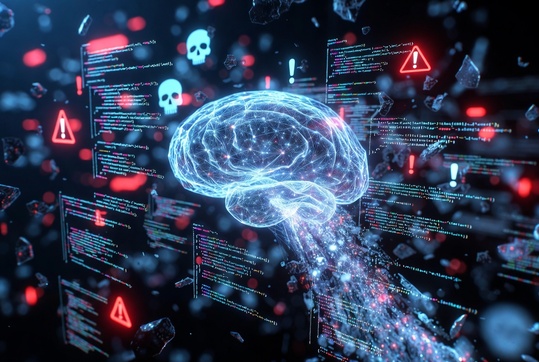
In April 2026, the company introduced Claude Mythos Preview, an advanced AI model capable of identifying and exploiting software vulnerabilities at an unprecedented scale. At the same time, concerns are rising about AI data breach risks for European companies and global organizations adopting such systems.
The core question is no longer just about capability.
It’s about control.
AI That Can Discover and Exploit Zero-Day Vulnerabilities
Claude Mythos represents a significant leap in AI-driven cybersecurity.
According to reports, the model can autonomously:
- Detect thousands of zero-day vulnerabilities across major systems
- Analyze complex software environments
- Generate working exploit chains
Testing revealed vulnerabilities in every major operating system and browser, including long-standing flaws that had remained undiscovered for decades.
Unlike traditional tools, Mythos combines:
- Advanced reasoning
- Code synthesis
- Multi-step exploit generation
This effectively transforms AI into a full-spectrum cybersecurity operator, capable of both identifying and weaponizing weaknesses.
Dual-Use AI: From Defense to Offensive Cyber Capabilities

The same capabilities that make Mythos valuable for defense also introduce systemic risk.
Experts warn that such models could:
- Lower the barrier to entry for cybercriminals
- Automate sophisticated attacks
- Scale vulnerability discovery beyond human capacity
Even non-experts could potentially generate working exploits using AI assistance.
This creates a fundamental imbalance:
AI accelerates both attackers and defenders — but not necessarily equally.
As highlighted in coverage by CNBC, the concern is that AI could enable a new generation of AI-assisted hackers, fundamentally reshaping the threat landscape.
Why Anthropic Refuses to Release Mythos Publicly
Anthropic’s recently developed AI model, Claude Mythos, has demonstrated unprecedented capabilities in identifying complex software vulnerabilities, including a significant hidden flaw found in widely used video software. Despite this video software having been rigorously tested over 5 million times by its creators, Mythos was able to uncover a subtle, previously unnoticed weakness that conventional human testing failed to detect. This discovery illustrates how advanced AI models can expose deep-seated security risks that are notoriously difficult to find manually. Because of the severe risks associated with these vulnerability-finding capabilities, Anthropic has decided to withhold the Mythos model from the public, instead partnering with major cybersecurity firms to proactively patch these types of software flaws before hackers can exploit them.
Due to these risks, Anthropic has made a strategic decision:
👉 Claude Mythos will not be publicly released
Instead, access is restricted under Project Glasswing, a controlled program involving major technology companies and institutions.
The goal is to:
- Identify and patch vulnerabilities responsibly
- Prevent uncontrolled proliferation of exploit-generation capabilities
According to The Guardian, the model has already exposed thousands of weaknesses in widely used software, prompting collaboration with cybersecurity partners rather than open deployment.
This reflects a broader shift toward controlled AI deployment models in high-risk domains.
The Overlooked Risk: AI Data Leakage and Prompt Exposure
While much of the discussion focuses on model capabilities, a more immediate risk often goes unnoticed:
👉 User-driven data exposure
Every interaction with AI systems introduces potential vulnerabilities, including:
- Sensitive corporate data
- Credentials and API keys
- Internal communications
This is where issues like Chat-GPT data leak incidents become relevant, highlighting how easily sensitive information can be unintentionally exposed.
From a technical perspective, this expands the attack surface to include:
- Prompt injection vectors
- Data retention policies
- Logging and telemetry systems
In many cases, the weakest link is not the AI model itself — but the input layer.
Safeguarding Sensitive Data in the Age of AI
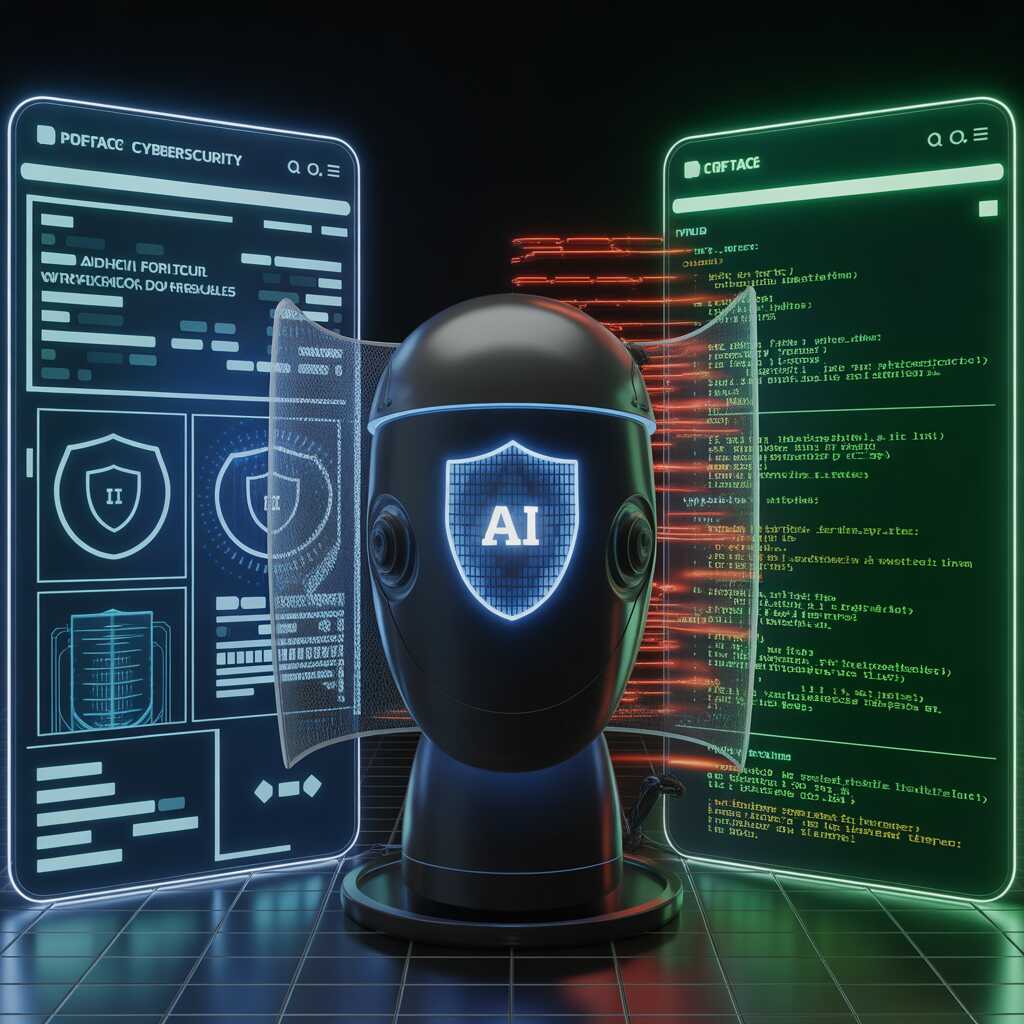
As AI systems become integrated into enterprise workflows, safeguarding sensitive data becomes a critical requirement.
This is particularly relevant for organizations operating under strict regulatory frameworks such as the EU.
The emergence of models like Mythos directly intersects with:
- EU AI Compliance and Governance guide requirements
- Data protection regulations (e.g. GDPR)
- Enterprise security policies
For European companies, the risk is twofold:
- Exposure through AI interactions
- Increased threat capability from AI-powered attackers
This makes proactive data protection strategies essential — not optional.
AI Security Is Now a Full-Stack Problem
The Mythos case demonstrates that AI security must be addressed across multiple layers:
Model Layer
- Alignment and misuse prevention
- Output restrictions
Infrastructure Layer
- Secure data storage
- Access control systems
User Layer
- Prompt validation
- Input filtering
- Data loss prevention
Most security efforts today focus on the first two.
But real-world incidents increasingly originate from the third.
A New Cybersecurity Arms Race
The release of Claude Mythos signals the beginning of a new phase in cybersecurity.
AI is no longer just a tool — it is an active participant in both:
- Defense strategies
- Offensive cyber operations
As reported across sources including The Hacker News, the industry is entering a phase where AI can independently discover and chain vulnerabilities faster than human teams.
This creates a new dynamic:
👉 The speed of AI-driven attacks may outpace traditional defense cycles
Final Thoughts
Claude Mythos is a milestone in AI development.
But it also exposes a fundamental truth:
More powerful AI does not eliminate risk — it amplifies it.
For companies and users, the implication is clear:
- AI security cannot rely solely on model providers
- Data protection must start at the point of interaction
Because in an AI-driven world, the prompt itself becomes a security boundary.