

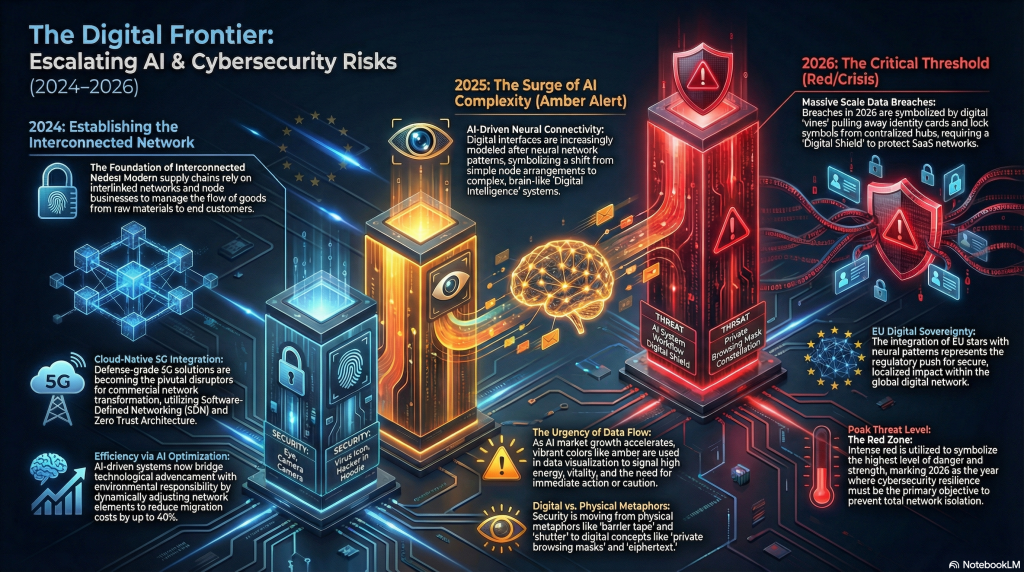
In today’s business landscape, artificial intelligence (AI) is no longer optional—it’s essential. But for European companies, this integration brings a sharp rise in AI data leak threats. With the EU’s strict GDPR rules and the upcoming AI Act, the fallout from mishandling personal data is more severe than ever. Recent high-profile breaches, like those at Betterment and the Chat & Ask AI app, show clearly how vulnerabilities in AI systems can lead to massive exposures of sensitive information.
The Betterment Data Breach: A Wake-Up Call for Financial Services
Early in 2026, U.S. fintech firm Betterment announced that unauthorized actors had gained access to its third-party marketing and operational platforms—believed to be Salesforce. The breach affected the personally identifiable information (PII) of about 1.4 million customers, including names, email and physical addresses, phone numbers, and dates of birth. Read the full report on American Banker.
The attackers, linked to the ShinyHunters group, used sophisticated voice phishing (vishing) tactics. By impersonating IT support, they tricked employees into handing over credentials or MFA codes. This allowed them to create a malicious connected app and siphon data in bulk. While Betterment confirmed that account passwords remained secure, the incident underscores the dangers of third-party SaaS platforms handling sensitive financial data.
For European businesses, especially in tightly regulated sectors like Fintech, Banking & iGaming, this is a major red flag. Under GDPR, a similar leak could force mandatory disclosures and fines of up to 4% of global annual turnover. The breach also reveals how AI-integrated CRM systems can widen the attack surface if not carefully monitored.
The Chat & Ask AI App Leak: Exposing Private AI Conversations

Another jarring case involved the Chat & Ask AI mobile app, a popular interface for models like ChatGPT, Claude, and Gemini. A misconfigured Google Firebase backend left roughly 300 million private chatbot messages from over 25 million users openly accessible. More details in the Fox News coverage.
The exposed data included full chat histories with timestamps, custom chatbot names, and model settings. Many conversations contained deeply personal queries—from mental health struggles to references to illegal activities. Such exposure doesn’t just violate privacy; it opens the door to identity theft, targeted scams, blackmail, and legal fallout.
The cause was a basic configuration error that allowed unauthenticated database access—a common flaw in many AI apps that store user interactions. For European firms using similar conversational AI tools for customer service, internal support, or knowledge management, this is a stark warning: storing sensitive data without strong safeguards is a high-risk move.
The Amount of Data Breaches in 2025 and the Projection for 2026
Recent figures show that GDPR-reported data breaches hit record levels in 2025. Authorities across the EU received an average of 443 notifications per day—a significant jump from previous years, reflecting both rising cyber threats and better detection and reporting.
Looking ahead to 2026, experts predict reported incidents will climb further as AI adoption accelerates and more businesses weave generative AI into daily workflows. The mix of shadow AI usage—employees using unapproved personal accounts—and poorly configured AI backends is expected to become one of the fastest-growing sources of AI data leak events.
Implications for European Companies Under GDPR and the AI Act
These two incidents point to a clear pattern: AI systems handle larger volumes of more sensitive personal data, often without enough oversight. In Europe, GDPR already demands strict data minimization, lawful processing, and breach notification. The incoming EU AI Act will layer on more requirements, especially for high-risk AI systems in finance, healthcare, and other critical fields.
For companies in regulated industries like Fintech, Banking & iGaming, the impact can be crushing. A single large-scale AI data leak can lead to multi-million-euro fines, eroded customer trust, intensified regulatory scrutiny, and lasting brand harm.
Practical Mitigation Strategies
To guard against these growing threats, European organizations should focus on several key actions:
- Implement client-side data protection – Use lightweight browser extensions that scan AI prompts locally and block sensitive details (like IBANs, credit card numbers, or personal IDs) before they’re sent to external AI services. For more on this approach, see our guide Why Trust-Prompt.
- Conduct regular third-party risk assessments – Audit SaaS platforms and AI tools for correct configuration, tight access controls, and strong encryption.
- Enforce strict AI usage policies – Ban or tightly control the use of personal AI accounts for work purposes and provide approved, enterprise-grade alternatives.
- Train employees on phishing and vishing – Many recent breaches start with social engineering attacks targeting employees with legitimate access.
- Prepare incident response plans – Ensure clear procedures for rapid breach detection, containment, and GDPR-compliant notification.
Conclusion
The Betterment and Chat & Ask AI incidents are not isolated events—they represent the growing intersection of AI adoption and data security vulnerabilities. For European companies, the combination of high regulatory fines, reputational risk, and increasing breach volumes makes proactive protection essential. By implementing local, privacy-first controls and maintaining strict governance over AI tools, organizations can continue to benefit from AI innovation while minimizing exposure to costly AI data leaks.